October 20, 2026
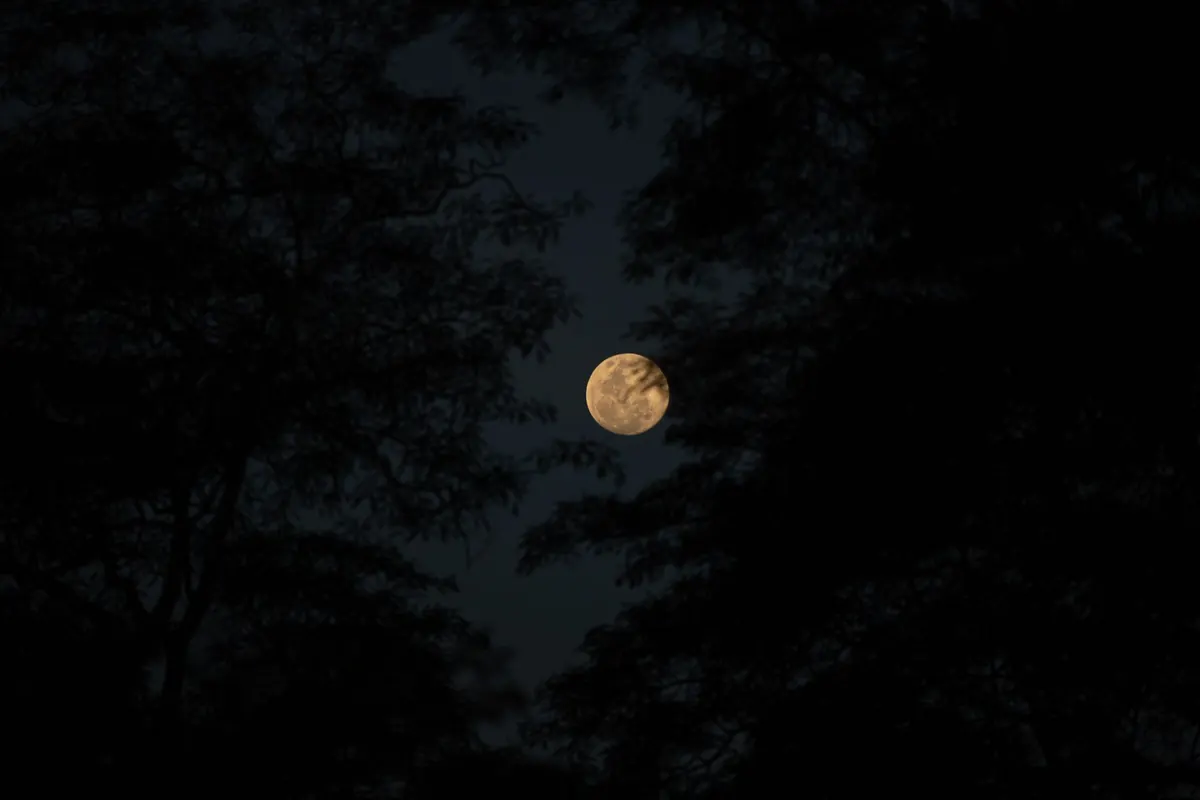
Ask a room of people what July's full moon is called and most will answer "the Buck Moon" without hesitating. Ask where the name comes from, and the certainty tends to evaporate. That gap is the interesting part. Full moon names sit at a busy crossroads: part old European farming calendar, part almanac publishing, part genuine Indigenous tradition, and part twentieth-century retelling. The names are worth keeping — they are a small, portable calendar of weather, plants and animals. They are simply not astronomy, and this guide keeps the two apart.
Where the Names Actually Come From
Most full moon names in circulation today are North American, and they reached a wide audience through almanacs aimed at farmers and gardeners from the 1930s onward. Those publications drew on Colonial practice, on older English and European seasonal customs, and on names attributed to Indigenous nations — often without saying which nation, which matters, because naming varied enormously from one region to the next. A moon that meant "strawberries are ripe" in New England meant nothing of the sort to people in the Southwest.
So treat the popular list as a tradition rather than a system. Plenty of months carry three or four competing names, and regional variants — Sap Moon, Crow Moon, Fish Moon, Ice Moon — are often older and more local than the tidy version you see on calendars. The names describe what was happening on the land: a thaw, a run of fish, a crop coming in, an animal changing colour.
January to March: Hunger, Snow and Thaw
January brings the Wolf Moon, usually explained as a reference to wolves howling in midwinter hunger. The story is repeated everywhere and documented thinly; the Old English pedigree often attached to it is shaky. Alternatives include the Old Moon and the Moon After Yule, which has the virtue of being checkable against the calendar.
February is the Snow Moon, with Hunger Moon and Storm Moon as common variants — accurate for much of the northern hemisphere. Because February is short, some years pass with no full moon in it at all, which is a quirk of arithmetic rather than a bad omen.
March is the Worm Moon. One explanation points to earthworm casts appearing as the soil thaws; another to beetle larvae emerging from bark. Either way it marks a shift, which is why Crow Moon and Sap Moon appear in the same slot. March is also where lunar tradition still shapes a calendar: Easter falls on the first Sunday after the first full moon on or after the spring equinox — computed, in practice, from a fixed ecclesiastical table rather than from observation of the sky.
April to June: Moss, Flowers and Fruit
April is the Pink Moon, and it has nothing to do with colour. The name refers to moss pink, a low spring-blooming phlox of eastern North America. If you see an orange moon in April, that is atmospheric scattering near the horizon, not the name.
May is the Flower Moon, with Corn Planting Moon and Milk Moon as alternatives — the latter an English reference to May's lush grazing. June is the Strawberry Moon, tied to a short, intense strawberry harvest in the northeast. Rose Moon and Honey Moon also appear; the often-repeated link between the Honey Moon and the word "honeymoon" is charming and contested, so hold it loosely.
July to September: Antlers, Sturgeon and Grain
July is the Buck Moon, named for the new antlers growing in velvet on male deer, with Thunder Moon and Hay Moon as seasonal stand-ins. August is the Sturgeon Moon, from the great lake sturgeon runs recorded in almanac tradition; Grain Moon, Corn Moon and Green Corn Moon all belong here too.
September is where the list gets genuinely confusing. The Harvest Moon is not fixed to a month. It is the full moon nearest the September equinox, which means it can fall in early October. That is why some Septembers carry a Corn Moon or Barley Moon instead, with the Harvest Moon arriving a few weeks later. The name earned its place for a practical reason: around that full moon, at mid-northern latitudes, moonrise comes only twenty to thirty minutes later each evening instead of the usual fifty or so, giving farmers extra light after sunset for several nights running.
October to December: Hunters, Beavers and Long Nights
October usually brings the Hunter's Moon, the full moon that follows the Harvest Moon — so named for the fields being cleared and game easier to see. Travel Moon and Dying Grass Moon turn up in the same position. November is the Beaver Moon, explained either by beavers repairing lodges before the freeze or by the peak of the fur trade season; Frost Moon and Freezing Moon say the same thing more bluntly.
December closes the year with the Cold Moon, also the Long Night Moon, because the full moon near the winter solstice takes the longest, highest path across the sky of any full moon. Moon Before Yule is the older, calendar-minded name.
Three Checks That Separate Tradition from Astronomy
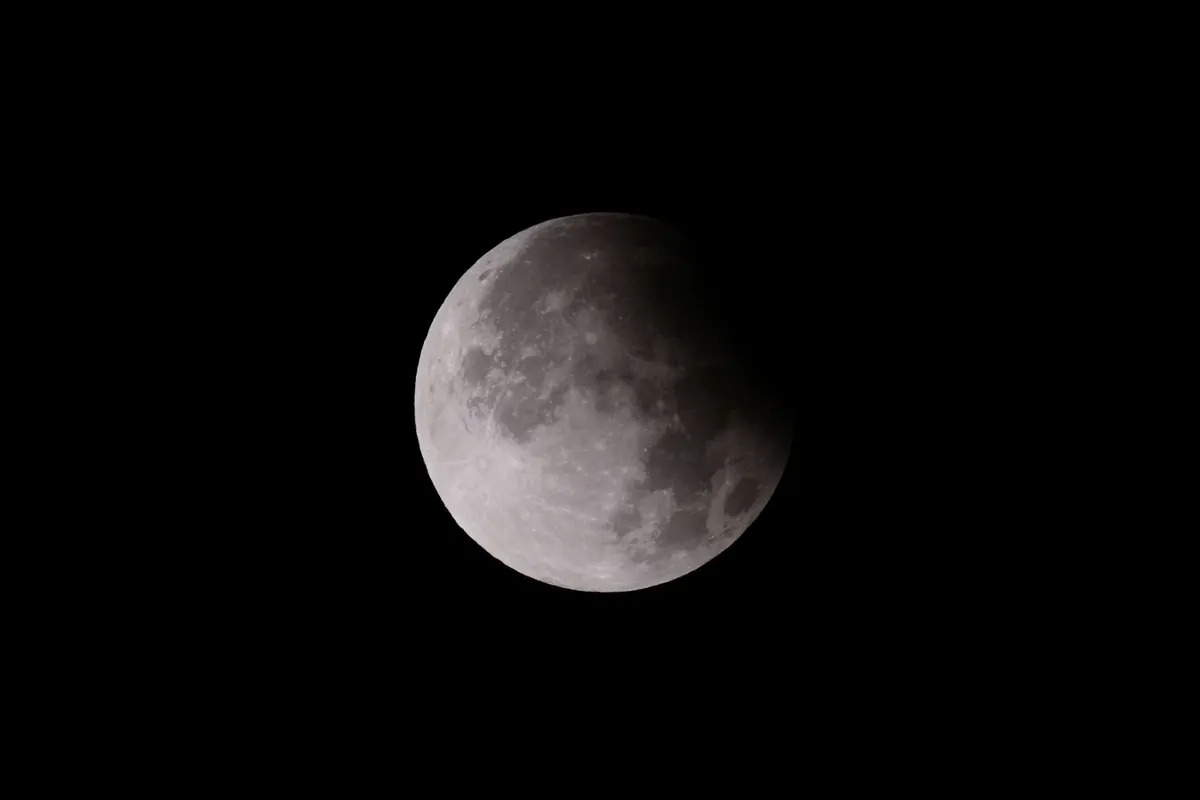
- Moment or month? A full moon is an instant — the moment the Moon sits directly opposite the Sun in ecliptic longitude. It looks full for roughly three nights, and the exact instant can fall on different calendar dates in different time zones. Say "full on Thursday evening, local time" and you will rarely be wrong.
- Calendar rule or sky rule? Harvest Moon, Hunter's Moon and Blue Moon all depend on rules rather than on appearance. A Blue Moon is either the second full moon in a calendar month or, in older almanac usage, the third full moon of a season containing four. Neither turns the Moon blue.
- Which place, which people? A name with no region attached is a soft signal that someone simplified a local tradition. Names tied to a crop, an animal or a thaw work only where that thing happens.
Two more terms worth filing separately: a "supermoon" describes distance, not naming — the full moon near its closest approach — and any reddish moon is usually a haze or horizon effect.
How to Follow the Names Through a Year
Pick one tradition and stay with it for twelve months rather than mixing lists, so you can see how the names hang together. Check the actual full moon date and time in your own time zone, then go out a night or two either side of it. Watch where it rises. In late September and early October, time the moonrises and you will see the short gap that gave the Harvest Moon its job.
Keep a short log — date, name, and what is actually happening outside your window. Within a year you will have a personal almanac, with your own variants included. That is the honest way to hold these names: as careful observations with good stories attached, useful precisely because they are local, seasonal and human.
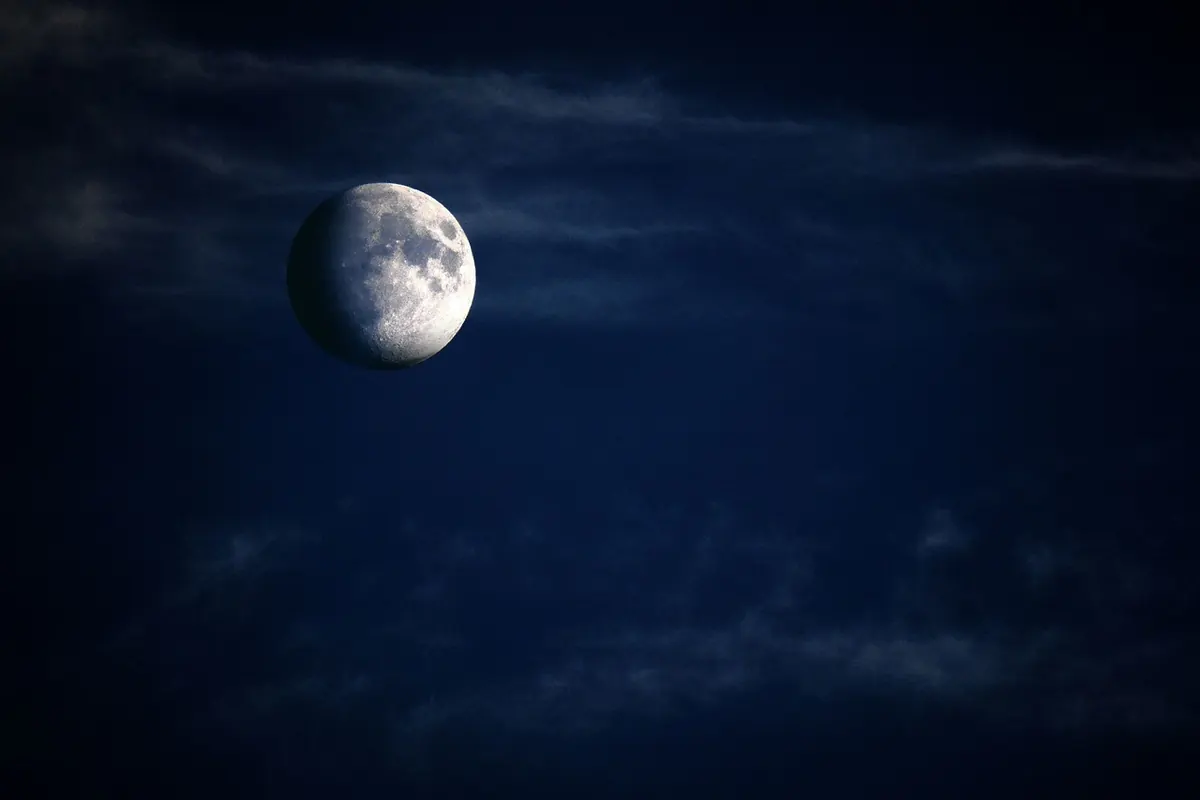
Photo: RAVI LAGES / Pexels